◌
Development of functional vision
We examine how crowding, attention, temporal encoding, and early visual representation emerge and interact through childhood.
We study how visual mechanisms develop during early childhood and how those trajectories shape learning, reading, and broader neurodevelopment.
Our work connects controlled psychophysics with large-scale school studies so that foundational vision science can inform more equitable screening, assessment, and intervention tools.
The lab welcomes thoughtful, cross-disciplinary researchers interested in children's development, equitable science, and translational impact.
We examine how crowding, attention, temporal encoding, and early visual representation emerge and interact through childhood.
We investigate how visual encoding and neurodevelopment relate to reading outcomes and learning trajectories.
We design accessible, gamified assessments that can scale across languages, settings, and socioeconomic contexts.
The lab's scientific aim is to connect rigorous basic vision research with real-world understanding of developmental diversity and early support needs.
Stay connected with our latest work, publications, and openings.
Our recent research has been featured in The Hindu. Read the article and learn more about her work in functional vision and neurodevelopment.
Read the articleJoin our work on functional vision, visual perception, neurodevelopment, and inclusive screening tools.
Explore openingsRead selected publications on visual processing, reading development, dyslexia, and neurodiversity.
View publicationsWe welcome applications from students interested in psychophysics, coding, data analysis, and developmental neuroscience.
Join the labGreat science grows through collaboration, complementary expertise, and thoughtful mentorship.
Great science comes from diverse perspectives. Meet everyone who makes the lab's work possible.
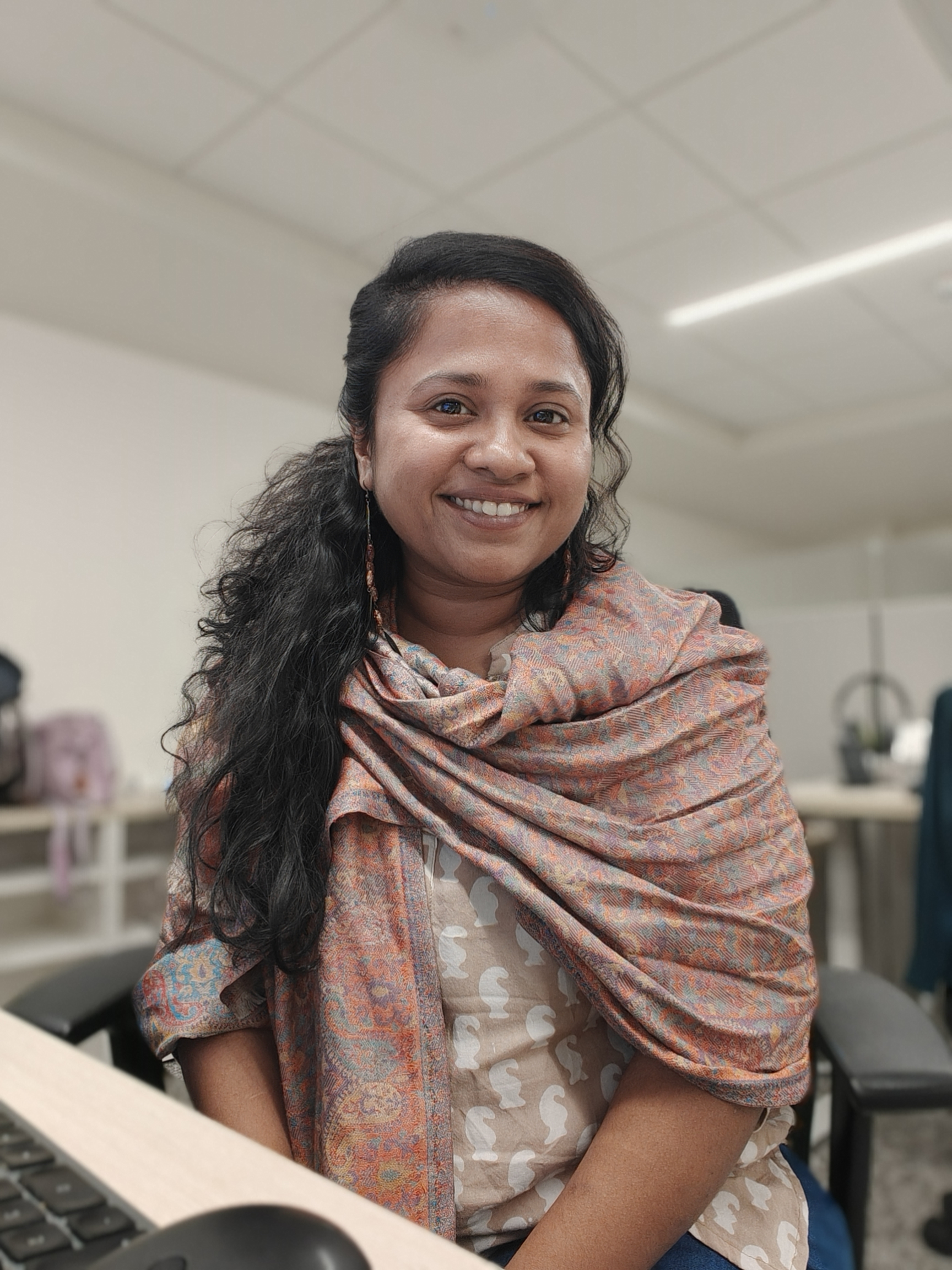
Dr. Ramamurthy is a developmental cognitive neuroscientist and vision scientist interested in understanding how children see, learn, and develop. Her research combines optometry, psychophysics, and cognitive neuroscience to explore how functional vision influences cognitive skills such as reading, particularly in neurodiverse populations.
Outside the lab, she's happiest creating—whether that's trying out a new recipe, exploring hidden trails, or putting thoughts into words. She enjoys discovering local experiences, believes every journey should include good food, and considers vada pav, chai, and monsoon rain the perfect way to end any day.
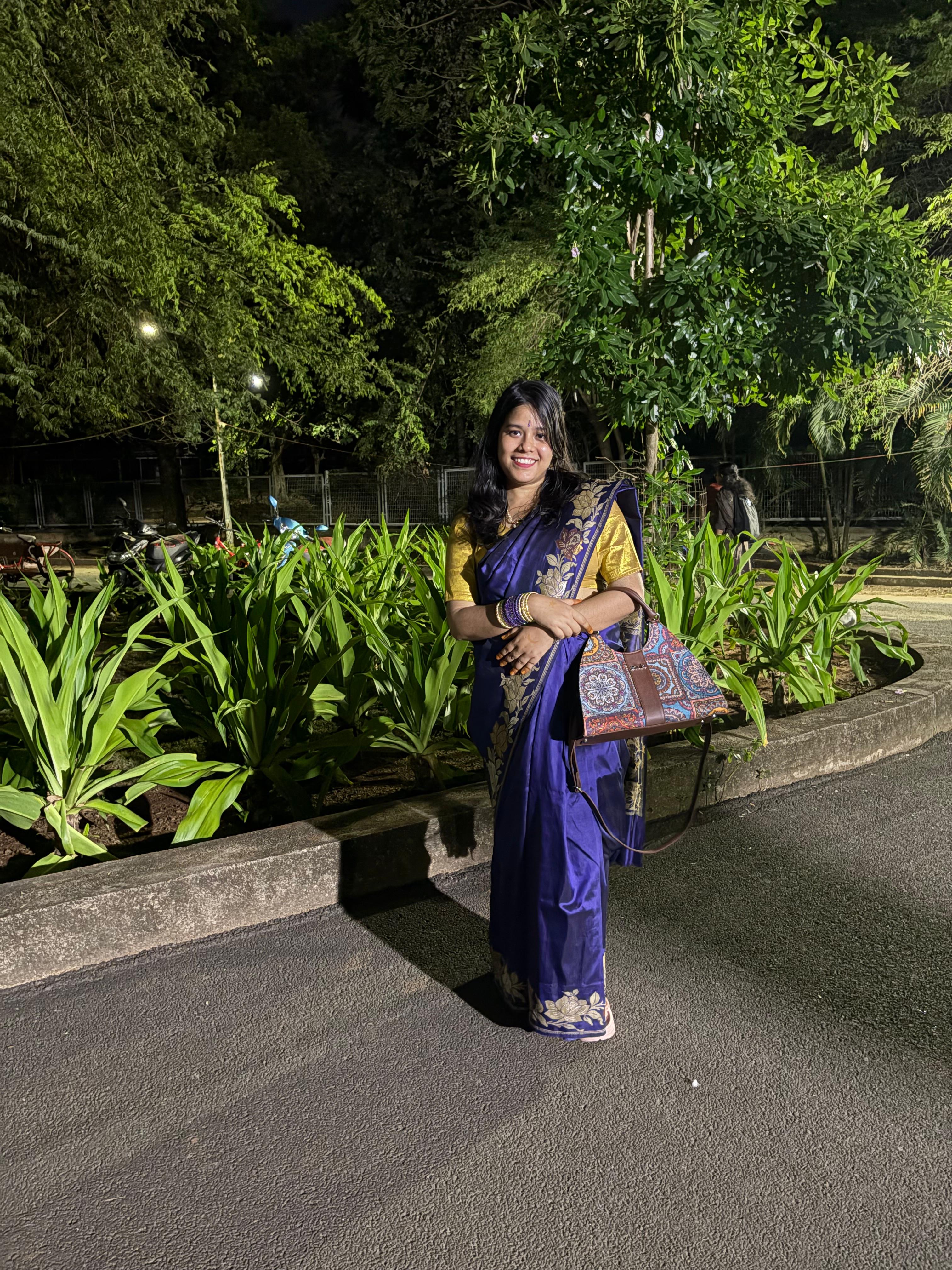
Chirantana is a PhD student in IIT Madras. She is investigating how neurodiverse adults learn language, adapt to unfamiliar tasks, and develop unique cognitive strategies. Whether it's language, people, or places, she's always curious about how we adapt, learn, and make sense of the world around us.
🎨 Crafting creative things | 🌮 Hunting for local food gems | 🌍 Always planning the next adventure
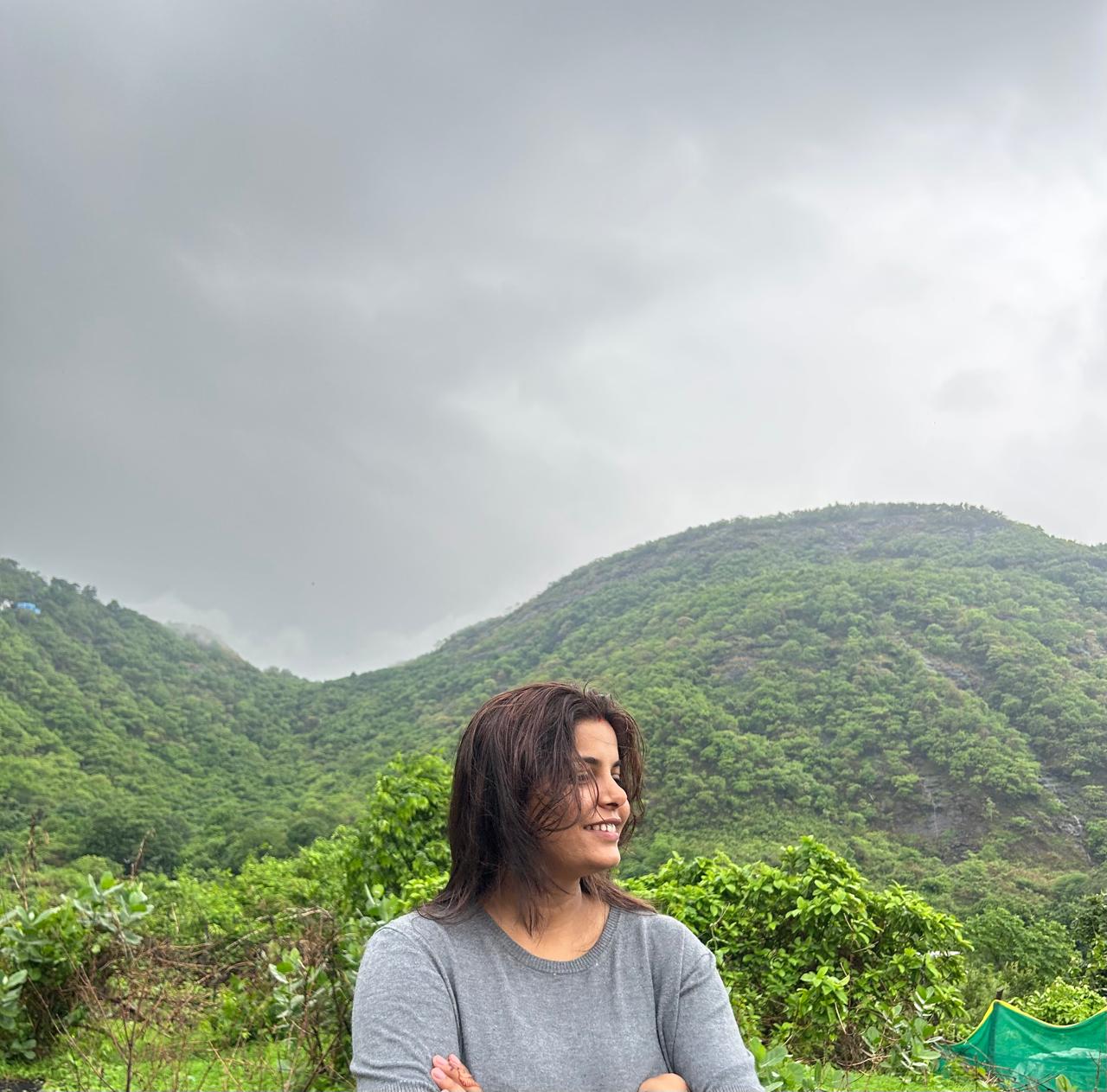
Recovering software engineer, current AI/ML researcher in healthcare. Somewhere between writing code, wrangling clinical datasets, and building research platforms, I've developed a habit of asking, "Can we automate this?" and then spending the next week actually doing it.
🧶 Knitting | 🎧 Random playlists | 🌥️ Zoning out (debugging in my head) | 💬 Certified yapper
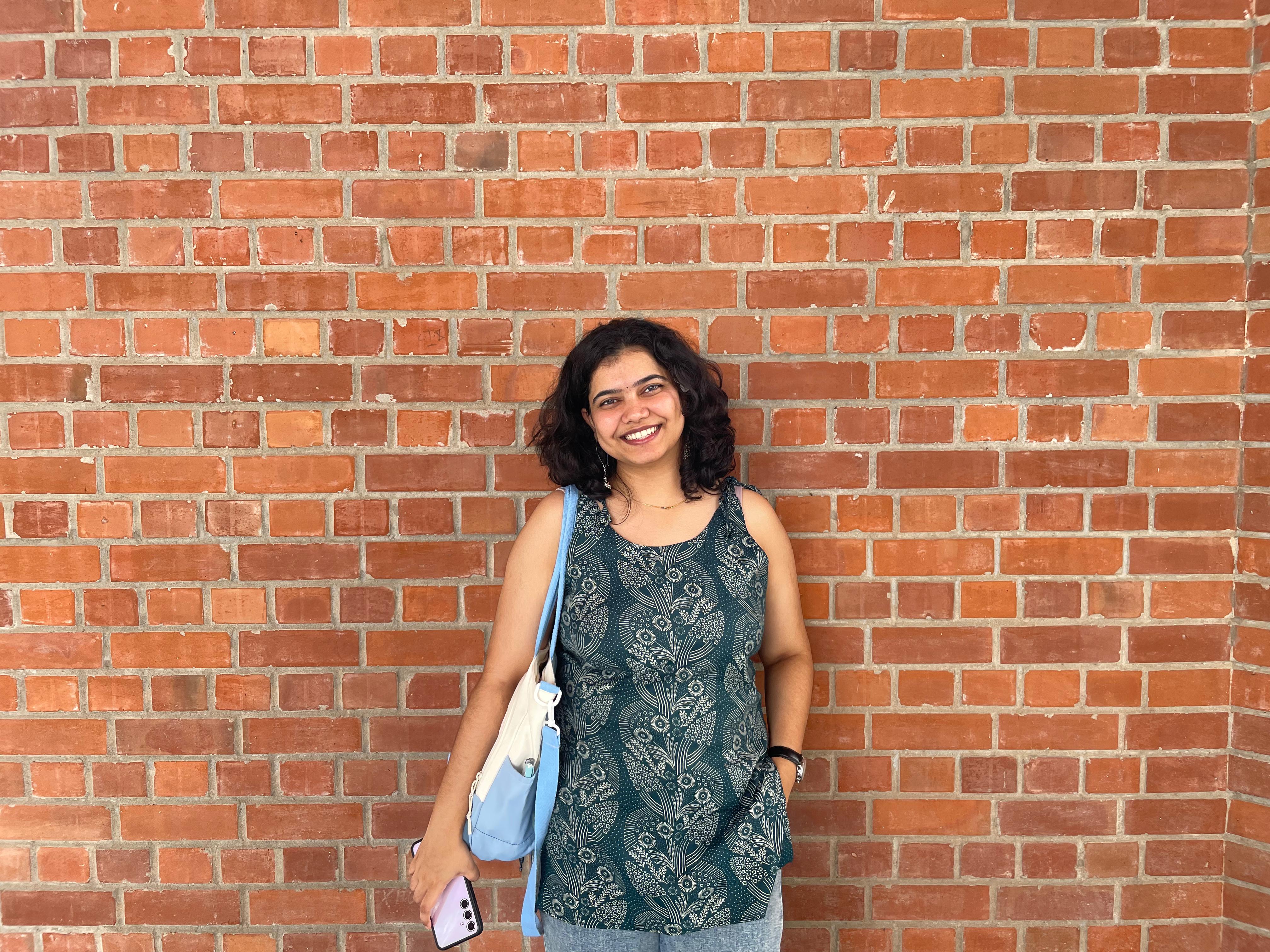
Finding patterns everywhere—from psychophysics data and visual perception to novels, city cafés, and half-finished canvases. If there's a puzzle to solve or a story to uncover, I'm probably already intrigued.
🎨 Painting | ✏️ Sketching | 📖 Reading | ☕ Café hopping | 🖋️ Writing poetry
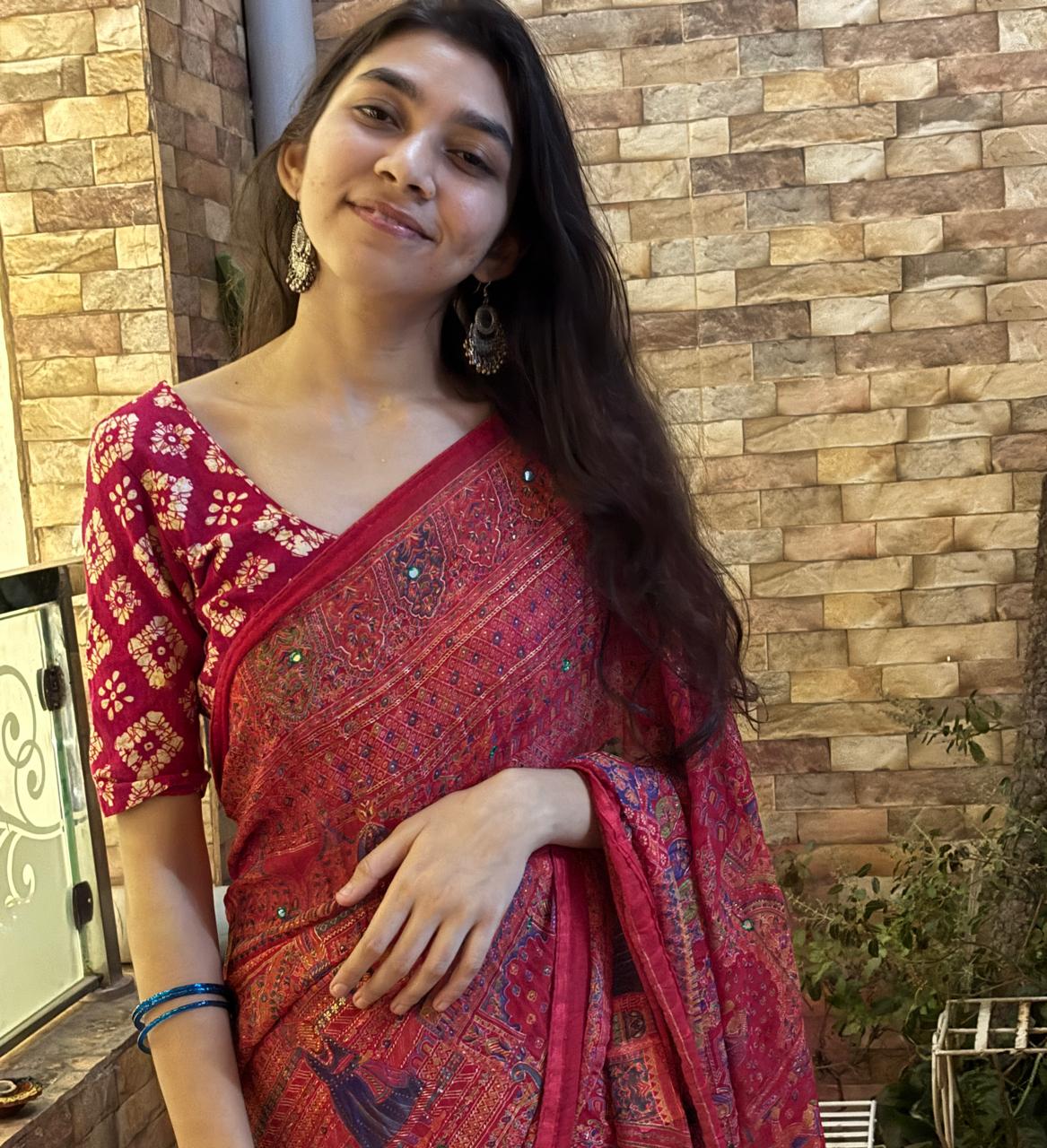
Exploring how neurodevelopmental assessments and interventions can be made more engaging, accessible, and impactful. She's excited to bridge theory and practice while contributing to research that can make a real difference in people's lives.
🏸 Badminton | 🎵 Indie folk music
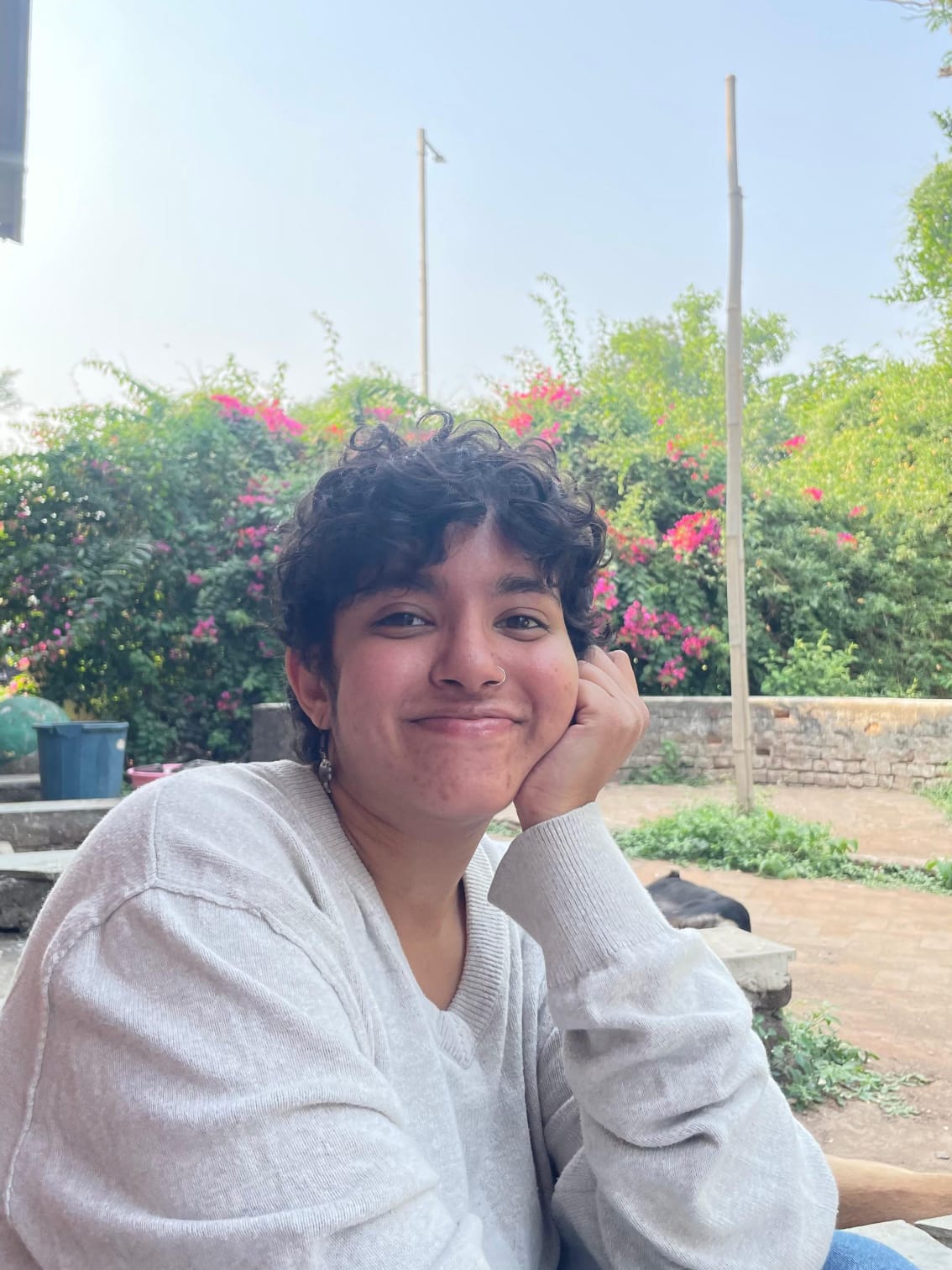
Following the breadcrumbs of language through the human mind. From syntax and sentence processing to the ways language interacts with memory and attention, Kairavi is interested in understanding how we make sense of the world—one sentence at a time.
☕ Coffee enthusiast | 🎶 Live music appreciator | 🧬 Evolution thought-experiment enjoyer
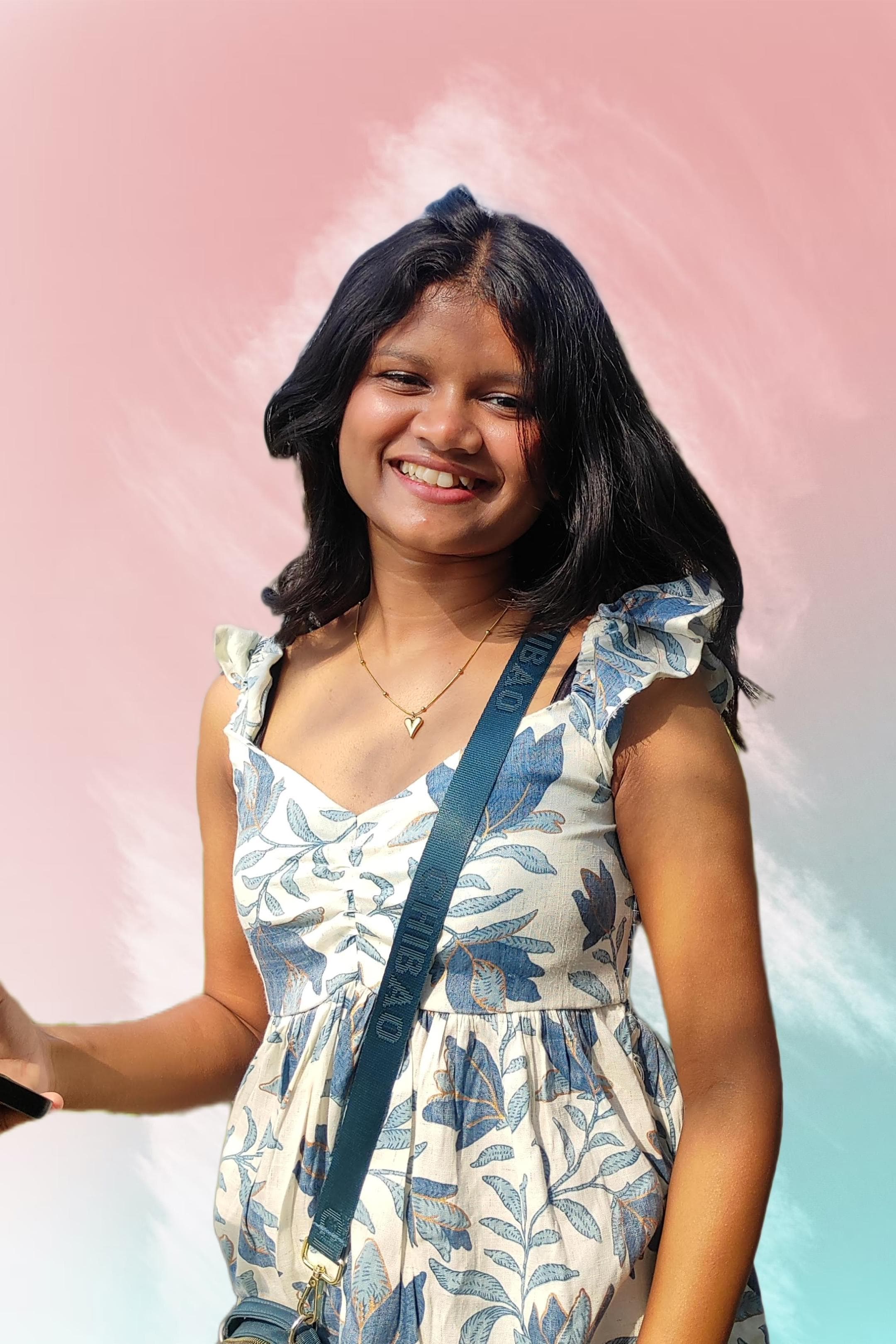
Exploring attention, perception, and visual search to understand what makes certain things stand out and how our brains decide what's worth noticing. The irony isn't lost on her—she studies attention while occasionally getting distracted by her own thoughts.
💭 Professional daydreamer | 📖 Curiosity-driven rabbit-hole explorer | 👀 Observing everything (except sometimes the obvious)
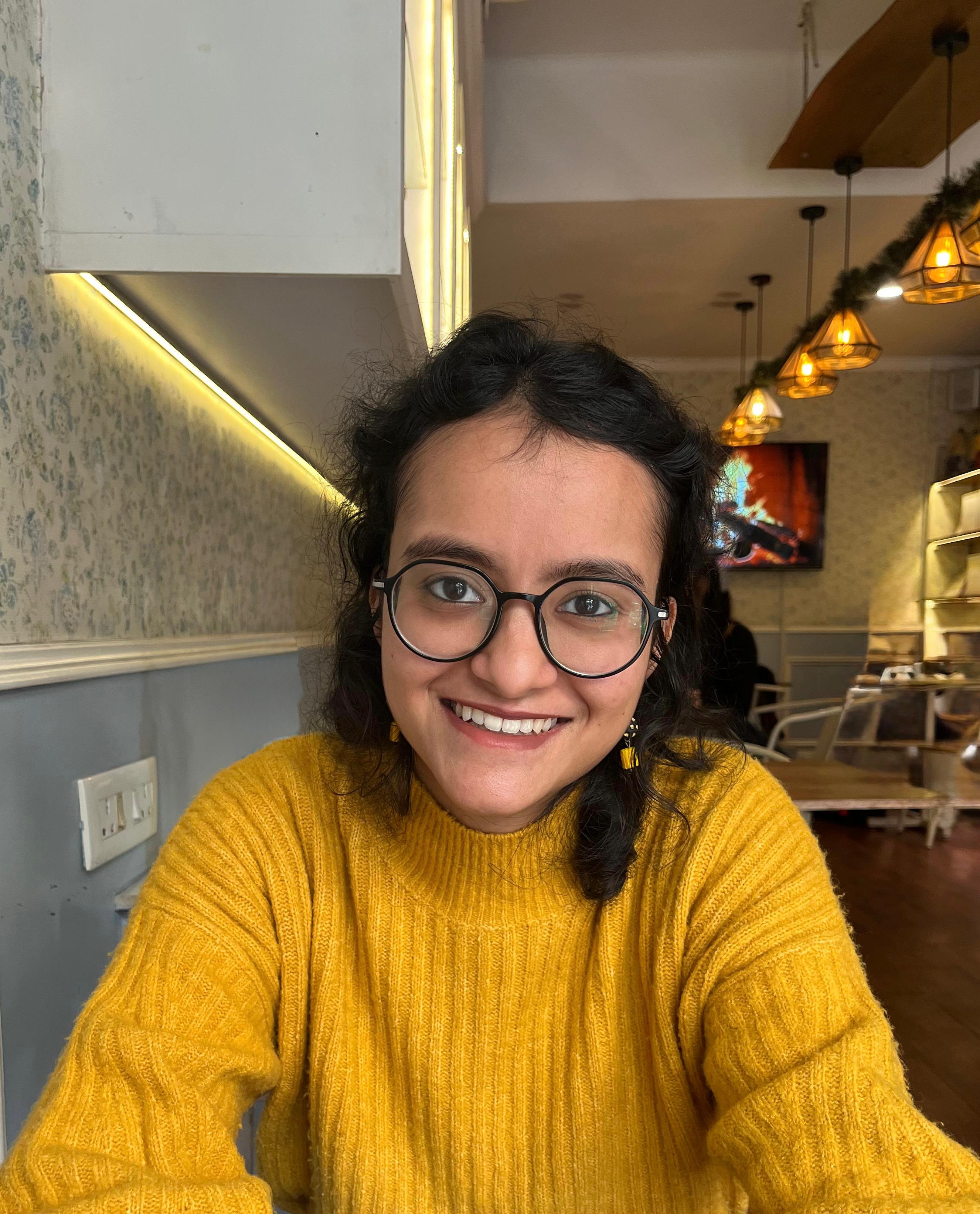
Exploring how cognitive abilities develop as children grow, especially the wonderfully elusive phenomenon of attention. Equal parts developmental cognition and existential debates about what attention even is, she's always up for asking big questions—preferably with a good novel or a violin nearby.
📖 Fiction enthusiast | 🎻 Amateur violinist | 🎶 Collecting favorite tunes one note at a time
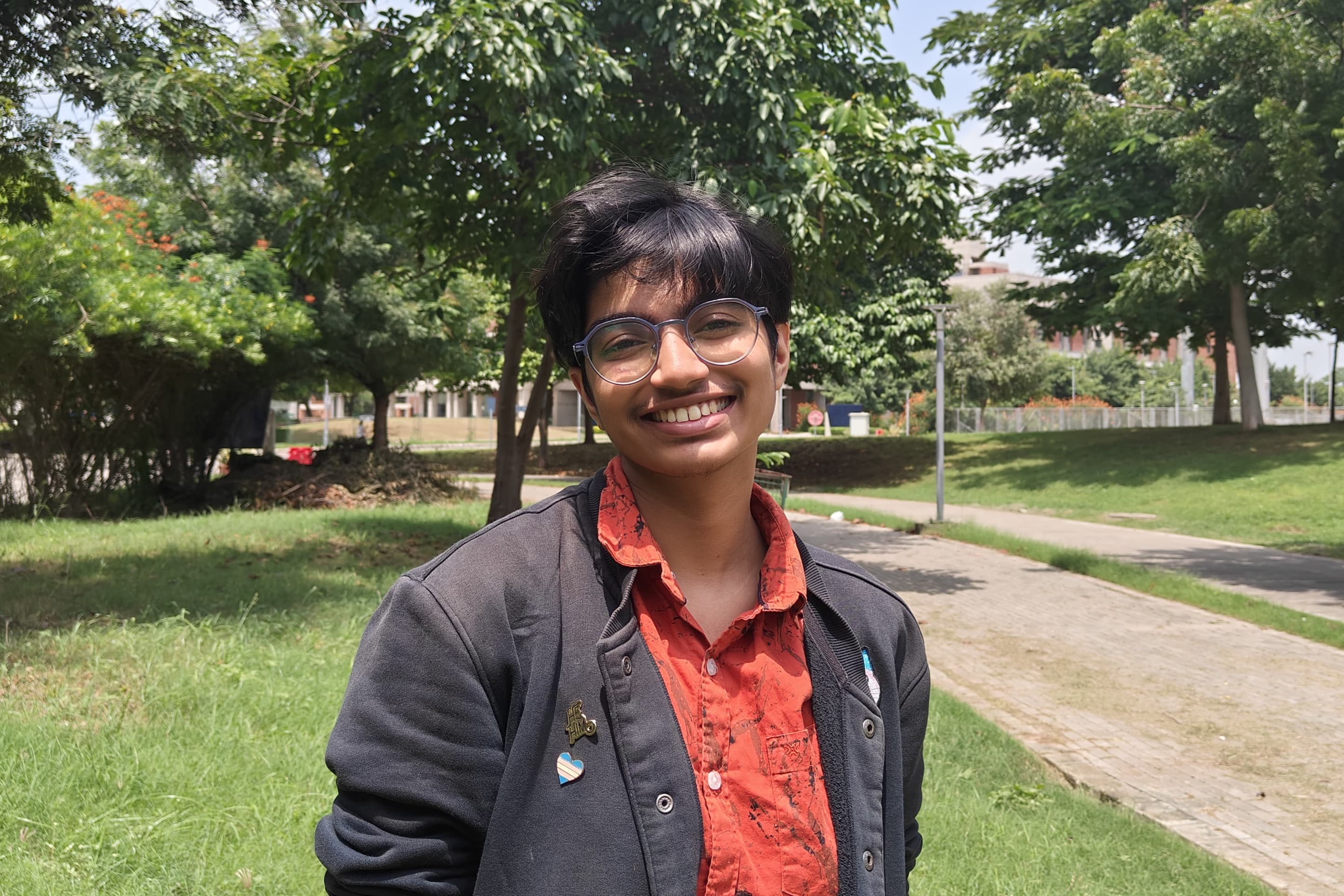
Exploring how neurodiverse individuals make decisions and process information during cognitive tasks. By combining behavioral experiments with drift diffusion modeling, Atlas looks beyond accuracy scores to understand the hidden cognitive processes driving performance in visual perception and attention tasks.
🖌️ Trying out different art mediums | ✏️ Sketching ideas onto paper | 🧁 Baking with a side of recipe experimentation
We investigate how visual mechanisms develop during early childhood and how those trajectories shape learning, reading, and broader neurodevelopment.
We combine in-lab behavioral experiments and large-scale school-based studies to understand how visual mechanisms develop and shape learning outcomes.
Big questions we pursue:
We use multiple methods — psychophysics, eye-tracking and electrophysiology — to understand basic mechanisms and translate reliable and rapid behavioral measures to schools to get large-scale developmental data. This approach allows us to identify early mechanisms that provide a window into the development of later cognitive abilities and insight into evidence-based intervention.

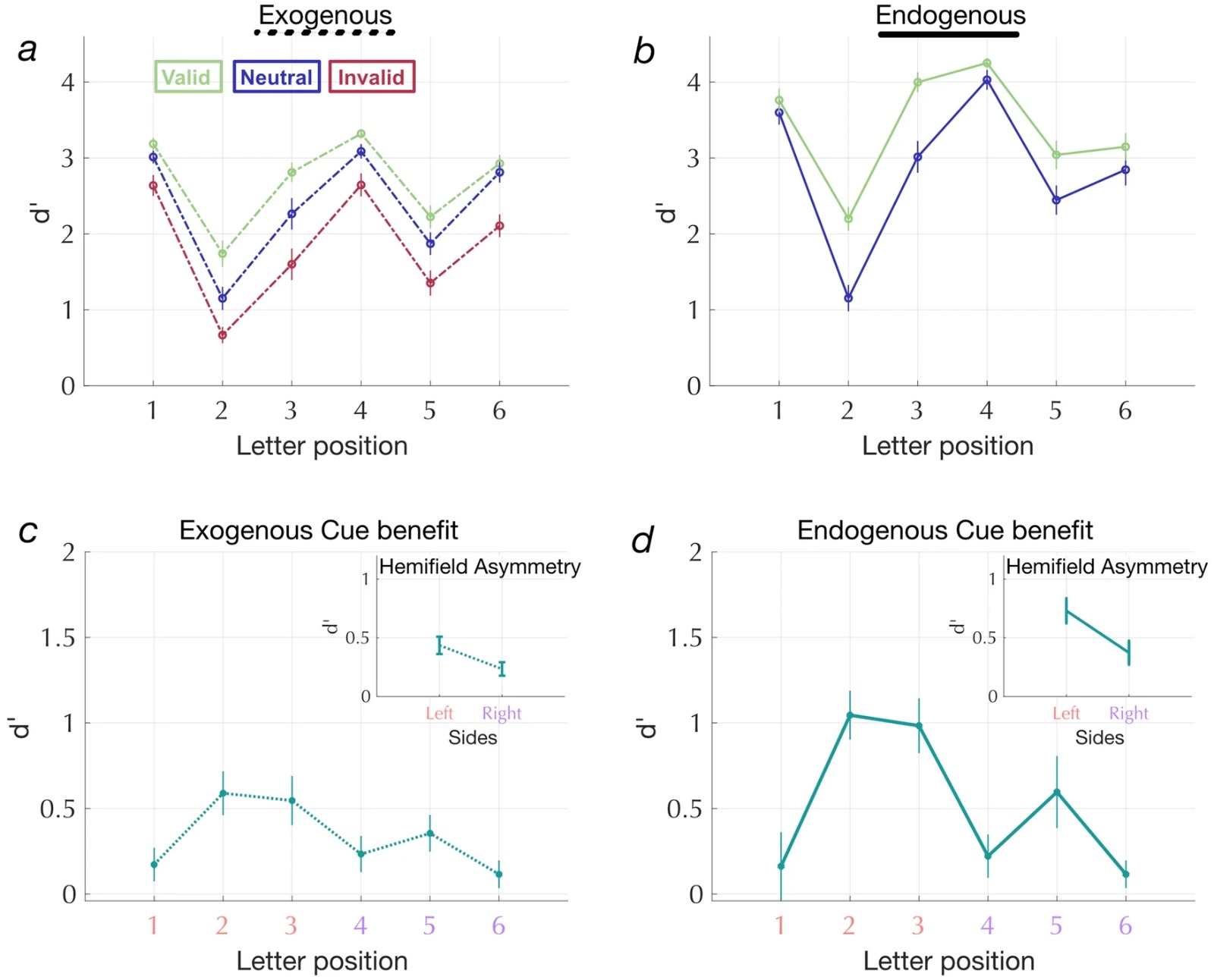
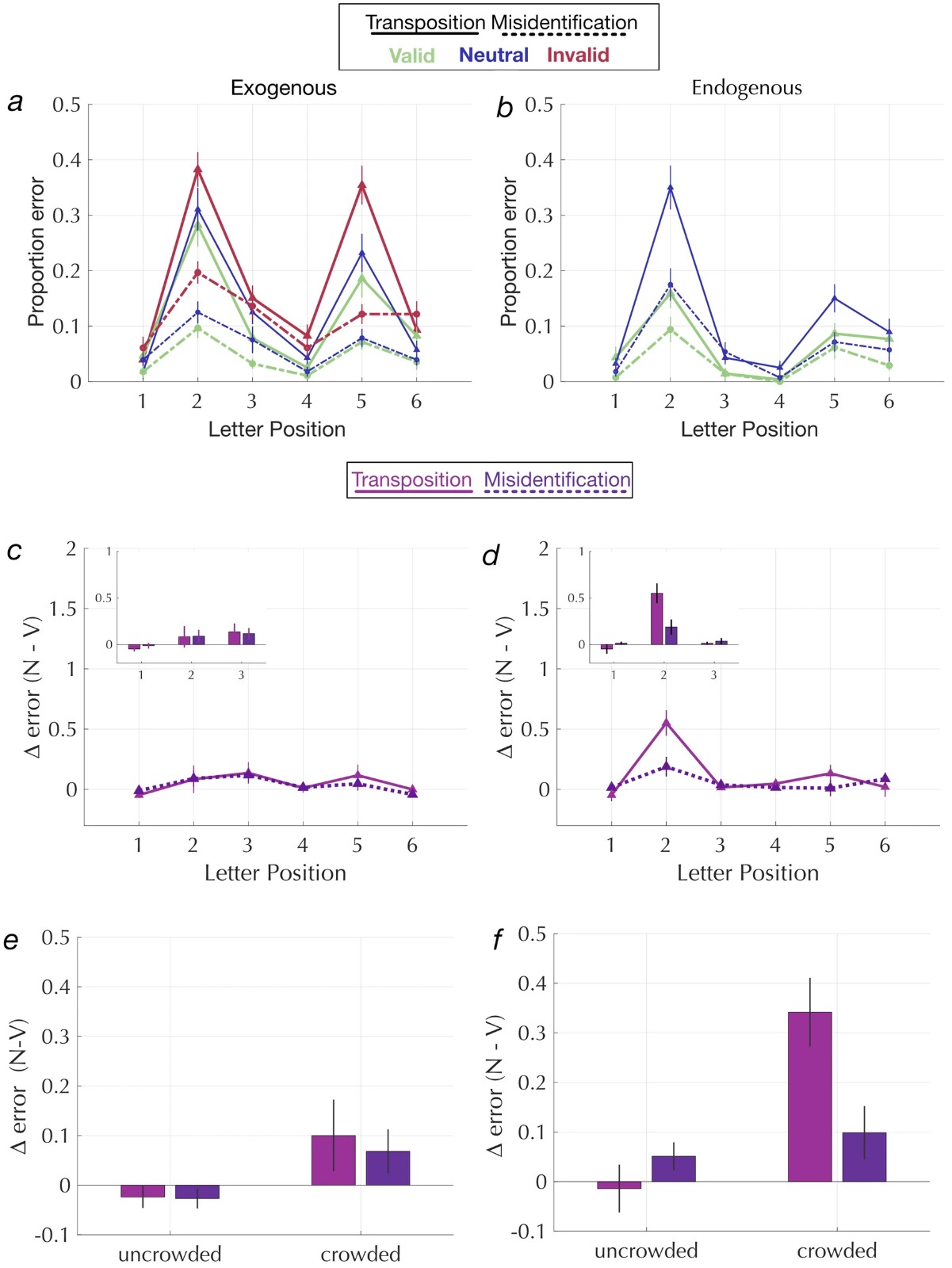


Peer-reviewed publications from the lab, with full access to each paper.
Teaching and mentorship are central to how the lab works. Below is Maha's teaching philosophy and journey, shaped by work across India, Canada and the US.
Maha's teaching began right after her optometry degree in India, teaching neuroanatomy and physiology to pre-med and optometry students. At the University of Waterloo she tutored physiological optics and colour perception, and built a set of demonstrations to help students grasp concepts in perception and optics. The through-line across these experiences has been designing active learning that reaches students from very different starting points.
Teaching full undergraduate courses at UMass Boston, where many students were first-generation or returning after a break, required rebuilding the syllabus around example-building and demonstrations. Assignments asked students to generate their own examples for each concept; pre- and post-class quizzes surfaced where reinforcement was needed; informal conversations before class served as ongoing check-ins. This kept the curriculum responsive to where each student actually was.
These experiences taught her to read a classroom's starting point and reshape teaching accordingly. She carries the same approach into graduate mentoring and into the teaching she does at IIT Gandhinagar today.
Programs, links, community initiatives, and writing can all be placed into cleaner linked modules rather than dense inline blocks.
We welcome researchers at all career stages who share our passion for understanding functional vision, neurodevelopment, and learning.
We welcome researchers at all career stages who share our passion for understanding functional vision, neurodevelopment, and learning.
Undergraduate internship opportunity focused on designing and implementing behavioral experiments in visual psychophysics.
We welcome volunteers from relevant backgrounds, and responsibilities will be assigned based on each applicant's qualifications, interests, and prior experience.
Prospective PhD students should apply through the university's graduate program. We encourage you to reach out before applying to discuss potential research directions.
Current PhD openings: 2 positions available for Fall 2026
We welcome applications from postdoctoral researchers with relevant experience. Please send your CV, research statement, and contact information for references.
Current Postdoc openings: 1 position available (immediate start)
Short-term research opportunities for undergraduates and early graduate students. Applications are typically reviewed in early spring.
Current Intern openings: 3 positions available for Summer 2026
For students interested in completing their bachelor's or master's thesis with the lab, please reach out with your research interests and timeline.
Current thesis openings: Accepting inquiries year-round
📧 Ready to apply? Contact us at functionalvisionlab@gmail.com with your CV and a brief statement of interest.
Your participation helps us understand how visual mechanisms develop and how they relate to learning and reading outcomes.
Your participation helps us understand how visual mechanisms develop and how they relate to learning and reading outcomes.
We conduct studies with children and adults across different age groups and neurodevelopmental backgrounds. All participants must meet specific inclusion criteria for each study.
Studies typically involve visual tasks, reading assessments, and computer-based activities. Sessions are designed to be engaging and age-appropriate.
Most studies require 1-2 sessions lasting approximately 1-2 hours. Some studies may involve multiple sessions spread over weeks or months.
Studies are conducted at our lab facilities. We also conduct remote studies that can be completed from home.
🤝 Interested in participating? Sign up to be notified about upcoming studies or learn more about our current research opportunities.
Get in touch →What we value and how we work together as a research community.
Our lab culture is built on collaboration, curiosity, and commitment to rigorous, equitable science.
Last updated: July 2026
The Functional Vision Lab exists to understand how the visual mechanisms underlying learning and cognition develop in early childhood, and to turn that understanding into screening and intervention tools that work for the full diversity of children — across languages, scripts, and socioeconomic contexts. India gives us a rare scientific opportunity: a vast, multilingual population with enormous variation in educational environments. We take that opportunity seriously, and we take the responsibility that comes with it — to children, to schools, and to each other — just as seriously.
Beyond the science, my goal is to train the next generation of rigorous, ethical, and independent researchers. Whatever your role in the lab — Master's student, RA, volunteer, PhD student, or postdoc — you are here to learn, contribute, and grow, and I am here to support that.
A few things I care about deeply, and hope you will too:
— Maha
To do good science together, we need clear expectations for how we treat each other. These are non-negotiable.
Essential policies
The lab does not tolerate harassment, discrimination, or misconduct of any kind — this includes conduct related to race, caste, religion, gender identity or expression, sexual orientation, disability, region, or language. This applies to every member of the lab regardless of role, seniority, or how long they've been here.
Confidentiality
Personal matters shared with the lab or with me are confidential unless you explicitly say otherwise. Don't share someone else's sensitive information without their consent.
Shared spaces
a. Principal Investigator
b. Everyone
Mentorship goes both ways. Mentors owe their mentees clear expectations, regular check-ins, and honest, constructive feedback. Mentees owe their mentors clarity about what they need and realistic effort on agreed tasks.
For prospective volunteers, interns, or RAs reaching out to join the lab: I read every inquiry, and where I don't have capacity myself, I'll try to connect you with someone in the lab who does.
This document is a living one and will be revised as the lab grows. If something here doesn't match your experience, tell me — that's exactly the kind of feedback that makes it better.
We'd love to hear from you — whether you're a researcher, educator, clinician, or someone interested in our work.
Fill in the form below and we'll get back to you as soon as possible.
Your generosity helps us uncover how children see, learn, and develop — and turn those findings into real-world tools for schools and families.
Every contribution — big or small — helps a child be seen, a student be trained, and a discovery be shared.
🫶 GiveHelp us see further
Because we're a university-based lab, we handle gifts through direct bank transfer or institutional grants. Reach out and we'll send you the details, plus a personal thank-you.
🫶 Reach Out to Give